Unfortunately it’s a bit hidden away on their website. It takes three clicks to get to it (starting, non-intuitively, with the contact page) and then you have to download a pdf.
It needs to be more easily accessible. And I wish some writers and editors would read it before they publish books.
I know we have autism awareness days and months every year but they don’t seem to be working. There are still a lot of misconceptions around.
Here are some things that autism is not:
An illness. You don’t have “symptoms” and you can’t be “cured” (and most of us would not want to change anyway).
Something you suffer from. (Some of us suffer from the way other people treat autistics, but that’s another issue. Check out “social model of disability”.)
This is how old I am. When I first heard the song All The Young Dudes, I wanted to be one of them. A few years later, I was hugely disappointed to realise that “dude” meant a male person. So it wasn’t for me, after all. (A lot of things in music aren’t for females, it would turn out, but that’s another story.)
This is how old I am. When a young person selling something – or trying to sell something – to me and the people I am with calls us “you guys” I get cross.
Mainly this is because I don’t think it’s appropriate language for a business transaction. But partly it is because “guy”, like “dude” means a male person. Which I am not.
Some people will use “you guys” when addressing a mixed group. Presumably they think that only the men in the group actually count. But what if you’re talking to a group of women?
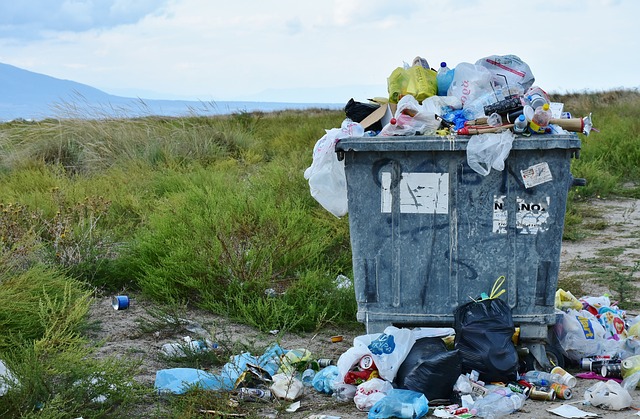
This is what you find if you search for “entrepreneur” on a stock image site. This came from Pixabay.
Do you call yourself an entrepreneur?
I belong to a lot of Facebook groups for freelances, and every now and then, someone will ask a question along these lines: “Do you call yourself an entrepreneur?”
Given that these groups all have the word “freelance” in the title, this seems like a strange question. Usually it is asked by someone who likes to call themselves an entrepreneur.
My immediate response is “Absolutely not. I hate it.”

![[Five-panel comic, with red stick-figure talking to a blue stick figure, stood before a crowd of blue stick figures.
Red: “Hi! I’m new to the autistic community.”
Blue: “Oh- hi.”
Red: “You see, I’ve been in the news for alleged inappropriate behaviour...”
Blue: “…Ok?”
Red: “And since then, I’ve *just* found out that I’m “probably undiagnosed autistic”! So we’re good, right?”
Blue: “No.”
Red: “What?! Aren’t you going to welcome me into your inclusive community?”
Blue: “Actually…”
Final panel: crowd revealed to be talking to a new crew, saying “no, we’re not all dangerous”, “no, we’re not all predators”, and “please stop scapegoating us”, as a giant TV screen reads “Breaking news: accused blames “probably undiagnosed autism””
Blue: “...I’m afraid we’re too busy fixing the damage you did to our community on your way in.”]](https://crimesagainstenglish.wordpress.com/wp-content/uploads/2024/12/undiagnosed-autism.jpg)